
Planning ahead is a crucial component of achieving efficiency in both personal and professional contexts. It involves setting specific goals and creating a roadmap that outlines the steps required to achieve those goals. Without a plan, we may struggle to stay on track, remain focused, and achieve our desired outcomes. In this article, we will explore why planning ahead is essential for efficiency and offer tips for creating effective plans.
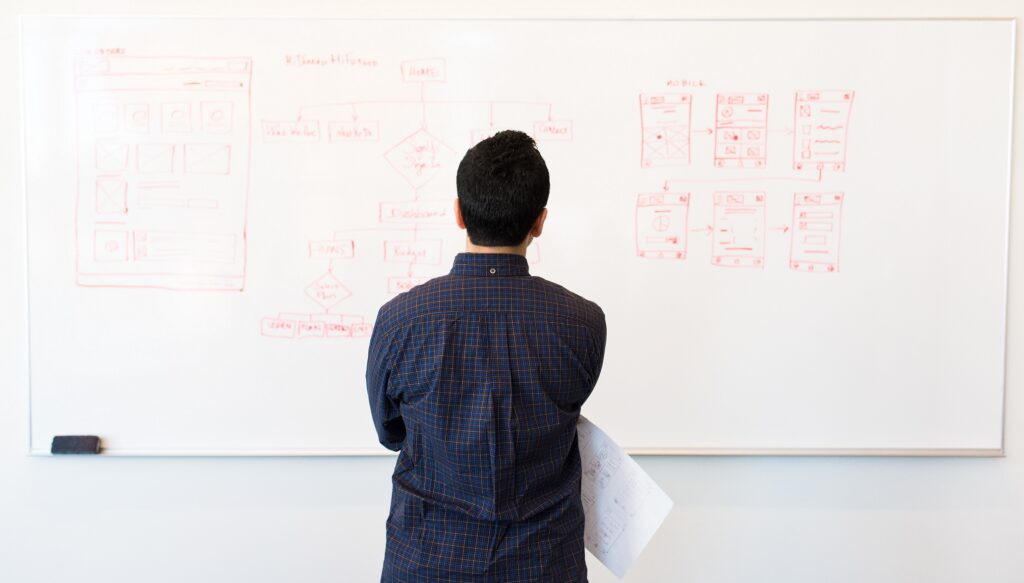
First and foremost, planning ahead helps us to save time. When we have a clear idea of what needs to be done and when it needs to be done, we can work more efficiently and avoid wasting time on tasks that are not essential to achieving our goals. By taking the time to plan ahead, we can identify potential obstacles and develop strategies to overcome them before they become roadblocks to progress. This can help us to make better use of our time and ultimately achieve our desired outcomes more quickly and with greater ease.
In addition to saving time, planning ahead can also help us to save money. Whether we are planning a personal budget or a business project, having a clear plan in place can help us to identify areas where we can cut costs without sacrificing quality. By anticipating expenses and developing a budget, we can avoid overspending and ensure that we have the resources we need to achieve our goals. This can be particularly important in business contexts, where unexpected expenses can quickly derail a project and lead to significant financial losses.
Furthermore, planning ahead can help us to reduce stress and increase our sense of control. When we have a plan in place, we are less likely to feel overwhelmed or uncertain about what we need to do next. Instead, we can focus on taking action and making progress towards our goals, knowing that we have a roadmap to guide us along the way. This can be particularly beneficial in high-pressure environments, where stress levels can be elevated and decision-making can be more difficult.
Another important benefit of planning ahead is that it can help us to prioritize our tasks and make better use of our resources. By identifying the most important tasks and allocating resources accordingly, we can ensure that we are focusing our time and energy on the activities that are most likely to help us achieve our desired outcomes. This can be particularly important in contexts where resources are limited, such as in small businesses or non-profit organizations.
Finally, planning ahead can help us to maintain a long-term perspective and stay focused on our goals over time. By developing a plan that outlines the steps required to achieve our desired outcomes, we can avoid getting sidetracked by short-term distractions and stay focused on the big picture. This can be particularly important in contexts where progress may be slow or where setbacks are likely, such as in research projects or long-term financial planning.
So, what are some tips for creating effective plans? Here are a few key strategies to consider:
- Define your goals clearly: Before you can develop a plan, you need to know what you are trying to achieve. Take the time to define your goals clearly, and make sure that they are specific, measurable, achievable, relevant, and time-bound.
- Identify potential obstacles: Anticipate any challenges or obstacles that you may face along the way, and develop strategies for overcoming them. This may involve developing contingency plans, identifying alternative approaches, or seeking out additional resources or support.
- Break the plan down into manageable steps: Once you have identified your goals and potential obstacles, break the plan down into smaller, more manageable steps. This can help to make the plan feel less overwhelming and increase your sense of control over the process.
- Establish timelines and deadlines: Set specific timelines and deadlines for each step of the plan, and hold yourself accountable for meeting them. This can help to keep you on track and ensure that you are making progress towards your goals.
- Be flexible: While it’s important to have a plan in place, it’s equally important to be flexible and adaptable. Things may change along the way, and it’s important to be willing to adjust your plan as needed in response to new information or unexpected circumstances.
- Involve others: Depending on the nature of your goals and plan, it may be helpful to involve others in the planning process. This can help to ensure that you have a diversity of perspectives and ideas, and can help to build buy-in and support for the plan.
- Track your progress: Regularly track your progress towards your goals and adjust your plan as needed. This can help to keep you motivated and focused on your desired outcomes, and can also help you to identify areas where you may need to make adjustments to stay on track.
In conclusion, planning ahead is essential for achieving efficiency in both personal and professional contexts. By taking the time to define your goals, identify potential obstacles, and develop a clear roadmap for achieving your desired outcomes, you can save time and money, reduce stress, prioritize your tasks, and maintain a long-term perspective. By following these tips for creating effective plans, you can increase your chances of success and achieve your goals with greater ease and efficiency.